There are no Conspiracy theories, there are only truth and lies. - Skizit Powers

Morgellons
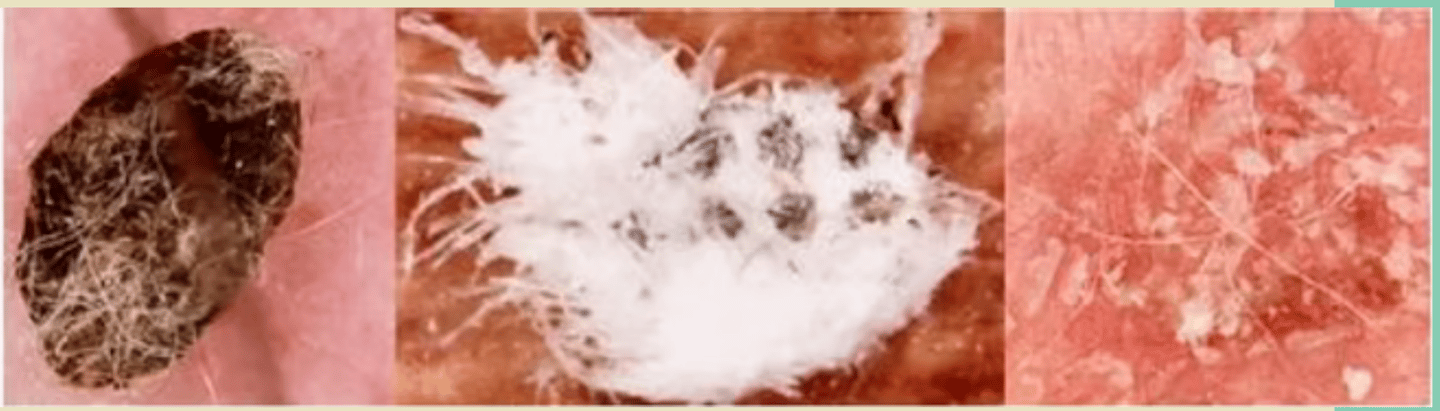
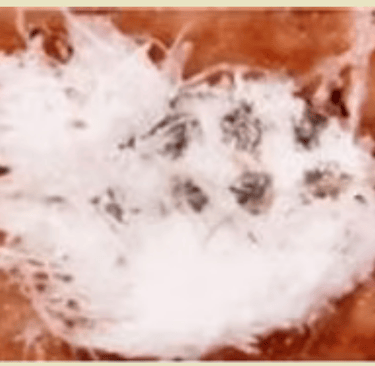
THE MORGELLONS WEBSITE CALLED SKIZIT.BIZ WAS TAKEN DOWN ILLEGALLY AND REPLACED WITH 4 PORN SITES. THANKFULLY THE WAYBACK MACHINE SAVED IT. THE TEXT IS RECORDED ON SKIZIT.BIZ ON THE WAYBACK MACHINE INTERNET ARCHIVE. The text and pictures will be replaced (hopefully soon) on this website. There are videos on YouTube under SkizitGesture channel.
US Dept of Defense Highlighting
Synthetic Biology as a Research Priority
The Department of Defense will spend over $2 billion in 2012 on synthetic biology, modeling human behavior (for gangstalking strategies?), engineered materials (to drop on people from the sky or poison them in their homes?), cognitive neuroscience (control people’s brains), quantum materials and nano-science engineering, and is “working to find discriminators that open up the best capabilities for U.S. warfighters.”
[Note that all these sciences are already being used in attacking the American public with Morgellons, gangstalking, aerosol air attacks, disperson of nano materials to cause Covid 19, surveillance using drones and mind control using electromagnetic frequencies.]
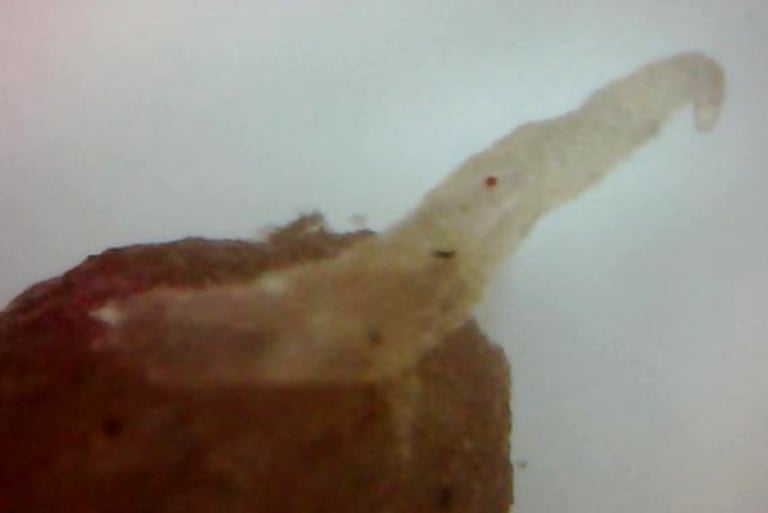
Photo credit: Skizit Powers 2014
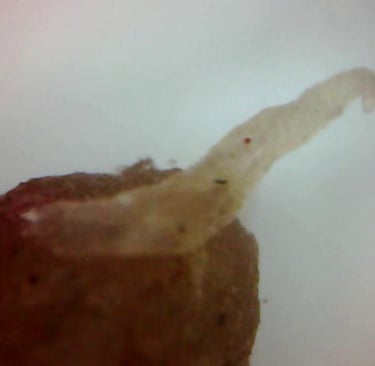
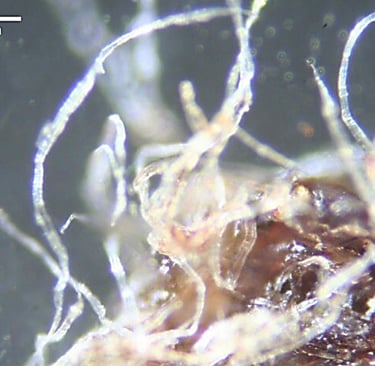
This little creature in the photo is the larvae of a non-biting midge (family Chironomidae), commonly known as a bloodworm or blood midge larva in its bright red forms — but many species are pale/white/translucent like this one. This one has the telltale red dot.
These larvae are very common in freshwater environments, damp soil, organic-rich mud, or even standing water. They often appear as small (a few mm to 1-2 cm), slender, worm-like organisms that can curl or bend noticeably.
These traits alone identify this animal:
Translucent white/pale body — Typical of many midge larvae (especially early instars or non-hemoglobin-heavy species).
Curved/hooked anterior (front) end — Midge larvae frequently adopt a curved or J-shaped posture at rest or when moving, and their head/proleg area can look distinctly hooked or bent.
Small red spot — This is almost certainly a concentration of hemoglobin-like pigment (similar to what's in our blood). In some midge larvae, it appears as a visible red dot or patch inside the body, especially visible through the translucent skin. (The famous "bloodworms" are just the intensely red version due to higher hemoglobin levels for surviving in low-oxygen spots.)
In their natural form, they're completely harmless to humans and pets — they don't bite, sting, or parasitize people/animals. They're detritivores (they eat decaying organic matter, bacteria, and tiny particles) and are actually an important part of the food chain for fish, birds, and other aquatic life.
However genetically altered midges DO PARASITIZE human skin and carry synthetic self-assembling materials deposited in the skin during its life cycle stages. They are genetically altered to give birth to only female offspring and are born pregnant, thus parasitizing continually, creating horrible sores that are slow to heal. This condition is not transferred by contact, but by purposeful, deliberate placement of live animals in bedding or clothing where the animals are attracted to the warmth of human skin where they lay their eggs. Live animals are put in collars on the back of the neck or in bedding around the ankles.
The term "midge" refers to a large and diverse group of insects, so the scientific name for a midge larva depends on the specific family of the midge. Common Midge Families are:
Chironomidae (Non-biting Midges): This is the most widespread family of midges. Their larvae are frequently found in aquatic environments and are often called chironomids..
Bloodworms: Many species within this family (particularly in the genus Chironomus) are bright red because they contain hemoglobin, which allows them to live in low-oxygen environments.
Chaoboridae (Phantom Midges): These larvae are almost entirely transparent, earning them the common name glassworms.
Ceratopogonidae (Biting Midges): The larvae of these midges, often called "no-see-ums," are typically found in aquatic or semi-aquatic habitats like salt marshes or mud.
Cecidomyiidae (Gall Midges): Unlike most other midges, these larvae are typically terrestrial and live inside plant tissues, often causing galls (swelling) on leaves or stems.
Scientific Classification: At a broader level, all midges belong to the following scientific ranks: Kingdom: Animalia, Phylum: Arthropoda, Class: Insecta, Order: Diptera (True flies), Suborder: Nematocera
Morgellons has two basic forms: (1) Real live genetically altered ANIMALS and PLANTS living in a genetically altered human's skin (sometimes paired with synthetic materials) and (2) "infections" of synthetic materials, with varying delivery methods (tiny hexagons, arthropods, sometimes dental related synthetic substances spilled on a person by "accident." There are many ways for it to be delivered and many different kinds of genetically altered vectors. Morgellons is the perfect entomological weapon. Everyone's case is different (usually). That's what makes this condition hard to pin down. Everyone knows it's unusual to have animals living in your skin or have synthetic constructs or networks self-assembling in skin, but its a bioweapon so it must be kept secret. No doctors are educated on how to treat it, however, some especially empathetic doctors do provide symptom relief and fast healing medications. They will usually prescribe SSD cream or Triamcinnolone Acetonide Cream.
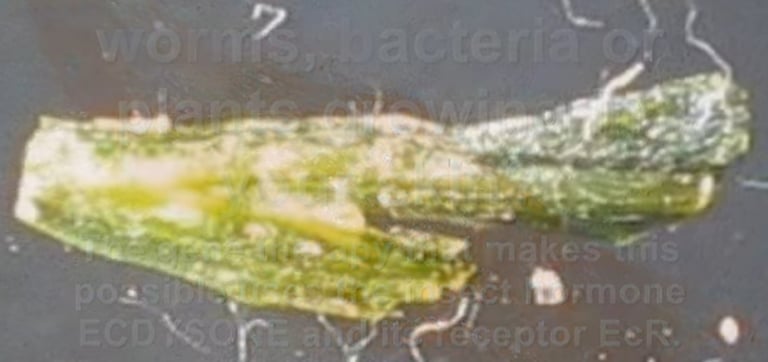
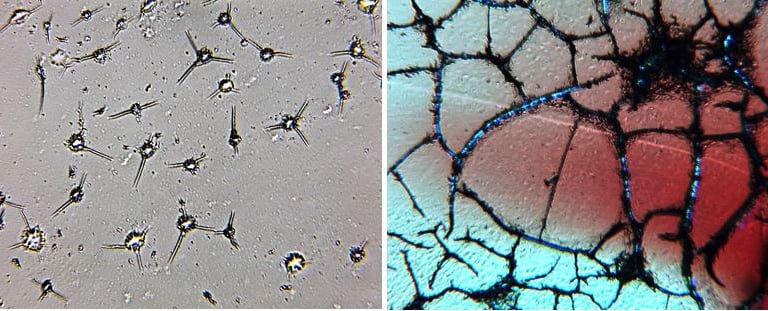
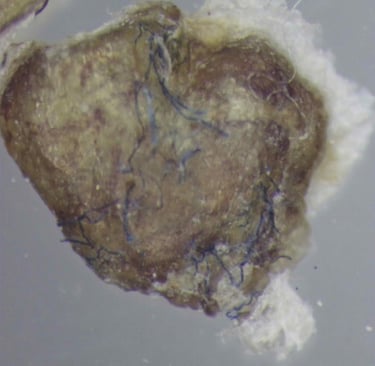
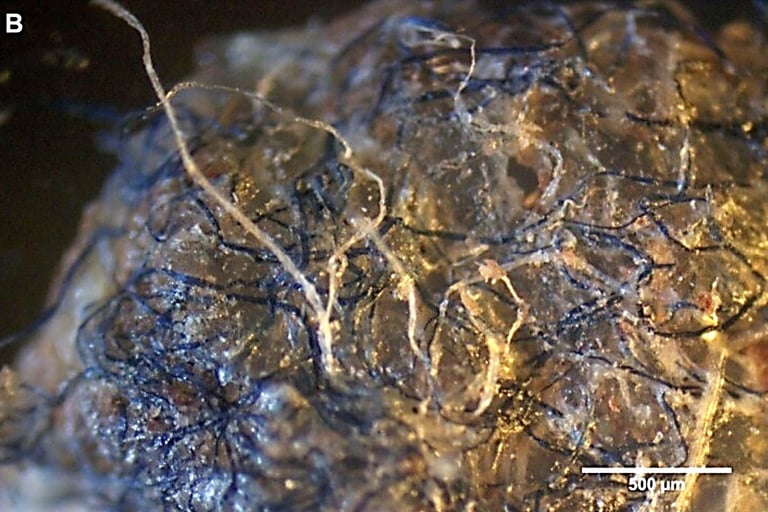
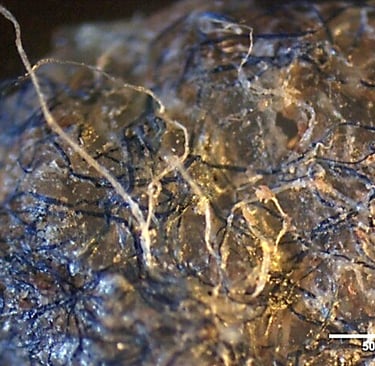
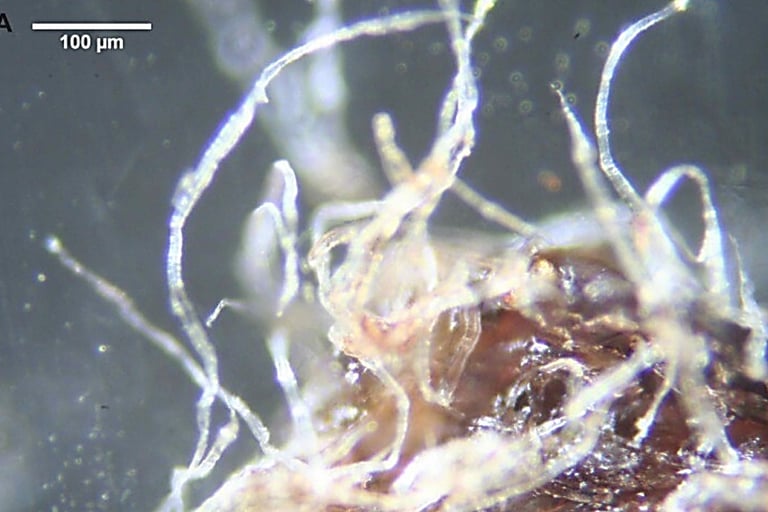
Morgellons is a highly engineered condition and manifests in some people in one way and in other people another way, depending on what their "handlers" decide to genetically alter them with. The pictures to the left are of "seeds" of self-assembling hydrogels and the networks they construct The potency of the infections have something to do with pairing the specific torture appropriate to a victim's supposed crime against the perpetrators. Some victims of Morgellons have these midges (below) living in their skin. It is the result of a genetically altered humans and animal, both are genetically altered. The animals are the vector for the more potently dangerous and eventually lethal pathogens: genetically altered proteins, bacteria and viruses.
Morgellons coincides with the global agenda of the WEF (they include genetically altered diseases in their agenda) and is a perfect entomological weapon prepared for enemies of socialism, marxism and communism. Its victims are targeted by some of the most highly educated scientists in the world in the US, Canada, Australia and Europe. The European Union created the skin living collembola in a scientific collaboration called Tessy, although they have removed the information from the internet. They wrote their names and information into the DNA on the invertebrate's carapace and put various synthetic constructions on its wings.
What is Morgellons?

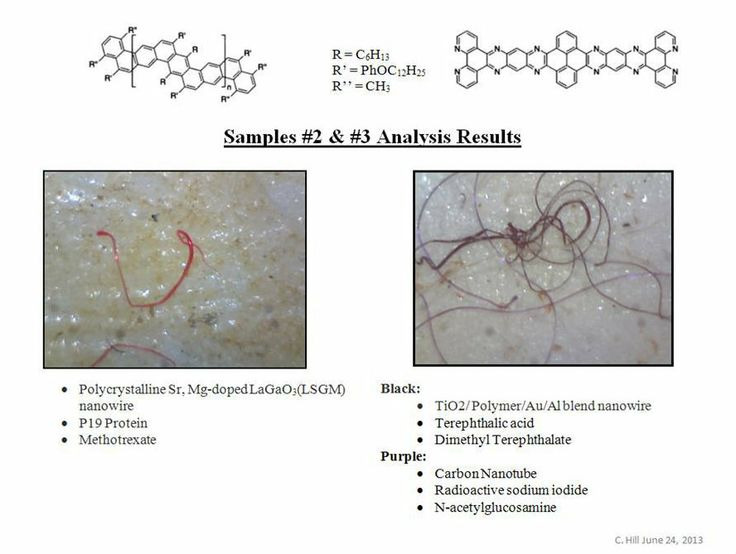
Arthropods, primarily mosquitoes and ticks, are genetically modified to act as vectors for delivering gene therapy-like interventions aimed at controlling diseases they transmit (e.g., malaria, dengue, Lyme). By introducing synthetic effector genes into their genome, these methods can suppress pathogen development inside the vector, reduce vector populations, or force population replacement.
https://pubmed.ncbi.nlm.nih.gov/37658779/#:~:text=Transgenesis%20is%20a%20powerful%20tool%20for%20controlling,Aedes%20mosquitoes**%20Recent%20findings%20and%20significant%20papers
Key Strategies for Arthropod-Based Gene Therapy
Vector Competence Reduction: Introducing genes that make mosquitoes (like Aedes and Anopheles) unable to transmit pathogens such as Plasmodium or Zika.
Population Suppression/Replacement: Using CRISPR-Cas9 to introduce genes that cause infertility, sex ratio distortion, or reduced lifespan in wild populations.
ReMOT Control (Receptor-Mediated Ovary Transfection): A technique for delivering gene editing tools into the germline of adult, non-model insects (including ticks) to create transgenic lines without injecting embryos.
Wolbachia Symbionts: Although not a, "gene therapy" directly, introducing Wolbachia bacteria inhibits virus replication in mosquitoes.
Technologies and Methods
CRISPR-Cas9: The primary tool for precise genome editing to knock out or insert functional genes.
Gene Drives: Genetic systems designed to spread specific genes through a population rapidly, often to render them incapable of spreading disease.
Transposases: Enzymes used for germline transformation in, for example, the New World Screwworm fly.
https://pmc.ncbi.nlm.nih.gov/articles/PMC4268783/
Current Applications and Challenges
Disease Targets: Research focuses on malaria, Dengue, Zika, chikungunya, and Chagas disease.
Veterinary Use: Developing sterile, genetically modified strains for agricultural pests like the screwworm.
Challenges: The necessity for robust promoters, effective gene delivery to non-model organisms, and managing the ecological impact of releasing genetically modified insects.
https://www.sciencedirect.com/science/article/abs/pii/S2214574524000774
Arthropods, primarily mosquitoes and ticks, are genetically modified to act as vectors for delivering gene therapy
Morgellons Disease is Not a Delusion,
Says New Study
https://www.lymedisease.org/morgellons-disease-not-delusion-says-new-study/
Press release from Charles E Holman Morgellons Disease Foundation, March 5, 2018:
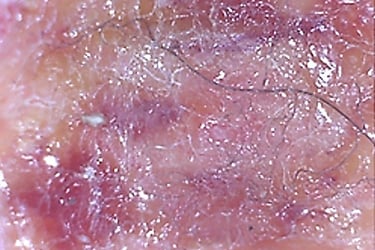
When does a “delusion” become reality? That question is addressed in the review paper entitled “History of Morgellons Disease: From Delusion to Definition” written by microbiologist Marianne Middelveen from Calgary, Canada, together with nurse practitioner Melissa Fesler and internist Raphael Stricker, MD, from Union Square Medical Associates in San Francisco, CA.
Morgellons disease is a bizarre skin condition associated with tick-borne disease. It is characterized by disfiguring skin lesions containing multicolored filaments, often accompanied by fatigue, joint and muscle pain and neurological problems. Morgellons disease is a controversial topic in medicine. The controversy surrounding this dermatological condition is explored in the February 2018 report published in the prestigious medical journal Clinical Cosmetic and Investigational Dermatology .
“This paper compares the evidence of an infectious etiology for Morgellons disease to the evidence that it is a purely delusional illness,” says Cindy Casey-Holman, director of the Charles E. Holman Morgellons Disease Foundation (CEHMDF) of Austin, TX.
To be diagnosed with a delusional disorder according to the guidelines of the American Psychiatric Association (APA), a patient’s symptoms must meet specific criteria. “This paper shows that most studies of Morgellons disease are appreciably flawed, and the disease does not meet criteria for a delusional disorder in accordance with the guidelines of the APA,” said Casey-Holman.
The CEHMDF has funded a number of research studies illuminating the origin of the colorful skin filaments and showing that Morgellons pathology is the result of an infection. Some mainstream medical practitioners claim that the microscopic colorful fibers are self-implanted textile fibers, or that patients think they are infested by bugs or worms. [No one would ever stuck textile fibers in themselves, that is almost impossible to do (one artist put stitches in her hand with great difficulty and pain) AND there are real arthropods and worms, as many microscropist TI's have taken their own photos.]
In fact the fibers found in Morgellons skin lesions are not textile fibers, nor are they bugs or worms. They are human biofibers composed of the proteins collagen and keratin and produced by skin cells. [This has no scientific foundation, the author does not cite any paper or research. There is plenty of research to show there are living worms and insects living in human skin.]
While the blue coloration is caused by melanin pigmentation [there is no proof of this], the cause of red coloration remains a mystery. [compare synthetic biology dyes, they match up perfectly]
“Many doctors are reluctant to accept evidence that challenges the status quo,” says Casey-Holman. “We need doctors to objectively examine all the evidence, so that patients can get treated for the underlying infection.”
“Morgellons is not a mystery. A plausible explanation is supported by scientific evidence. The fibers are human structural proteins,” explains Fesler. “It results from an aberrant response to the presence of tickborne pathogens.” [The give their opinion but no proof regarding "tickbornd pathogens." Scientists are not always objective, they are very unscientific.]
The study also highlights the presence of brain scan lesions in some Morgellons patients, confirming the non-delusional nature of the disease. [YEAH!] Morgellons skin lesions are associated with Lyme disease and other tick-borne illnesses. “To treat the skin condition one must first treat the underlying infection,” says Dr. Stricker.
Several laboratories have detected live Lyme bacteria directly in Morgellons skin tissue provided that the correct detection methods are used. “As more laboratories confirm detection of pathogens from Morgellons patients, the evidence becomes more difficult to ignore,” states Middelveen. “Eventually this association will be recognized in mainstream medicine.”
[RESEARCH 8-13-2013 AGROBACTERIUM AND MORGELLONS
This article is no longer on the internet. It was saved during research because this kind of thing is what is scoured and removed from the internet. The link is no longer any good, but we left it here to show where it originated and the date it was copied.]
Agrobacterium & Morgellons Disease, A GM Connection?
Preliminary findings suggest a link between Morgellons Disease and Agrobacterium, a soil bacterium extensively manipulated and used in making GM crops; has genetic engineering created a new epidemic?
By Dr. Mae-Wan Ho and Prof. Joe Cummins
Global Research, August 20, 2008
20 August 2008
Theme: Biotechnology and GMO, Science and Medicine
http://www.globalresearch.ca/agrobacterium-morgellons-disease-a-gm-connection/9891G
A fully illustrated and referenced version is posted on ISIS members’ website. Details here.
An electronic version of the complete report, or any other complete ISIS report, can be sent to you via e-mail for a donation of £3.50. Please e-mail the title of the report to: report@i-sis.org.uk
CDC launch investigation on Morgellons’ Disease
The Centers for Disease Control (CDC) in the United States announced the launch of an investigation on ‘Morgellons Disease’ in January 2008 [1], after receiving thousands of complaints from people with this bewildering condition, which it describes as follows [2]: “Persons who suffer from this unexplained skin condition report a range of cutaneous (skin) symptoms including crawling, biting and stinging sensations; granules, threads, fibers, or black speck-like materials on or beneath the skin, and/or skin lesions (e.g., rashes or sores). In addition to skin manifestations, some sufferers also report fatigue, mental confusion, short term memory loss, joint pain, and changes in visions.”
Morgellons Disease first became known in 2001, when Mary Leitao created a web site describing the illness in her young son, which she named after a 17th century medical study in France describing similar symptoms [3]. Until then, people with Morgellons Disease have been diagnosed as cases of “delusional parasitosis”, in which the symptoms are deemed entirely imaginary, and lesions allegedly due to self-inflicted wounds.
Indeed, the debate over Morgellons Disease has continued in the pages of medical and scientific journals right up to the CDC’s announcement. [4-7]
Dr. Michele Pearson, principal investigator for the CDC said [1] that the primary goals of the study are “to learn more about who may be affected with this condition, the symptoms they experience and to look for clues about factors that might contribute to the condition,” adding that the condition is “complex”, and “may be due to multiple factors.”
In response to questions from journalists at the CDC press conference, Pearson said: “ We are aware that many patients have suffered from this condition. And, I can tell you that here at CDC, we have really been seeing an increasing number of these reports over the past year or so.”
CDC’s investigation is to be carried out in conjunction with Kaiser Permanente’s Northern California Division of Research and the US Armed Forces Institute of Pathology.
Dr. Joe Selby, Director of the Kaiser Permanente’s Northern California Division of Research, said the study would proceed in three stages. In the first stage, they will identify all members who may have seen a Kaiser Permanente physician with symptoms suggestive of this condition at any point during the 18 months between July 1 2006 and December 31, 2007, and determine whether they meet eligibility criteria for the study. In stage two, all eligible members will be invited to complete a comprehensive web based or telephone survey conducted by the CDC that examines the duration and severity of a variety of symptoms. And in stage three, those with active symptoms will be invited to the division of research for an extensive clinical examination including collection of skin biopsies, blood and urine samples.
In a paper [6] published in 2006, researchers from the Morgellons Research Foundation [3] identified the states of California, Texas and Florida as having the highest number of cases of Morgellons disease in the United States. Primary clusters were noted in Los Angeles and San Francisco (California) and Houston, Dallas and Austin (Texas). California accounted for 26 percent of cases in the US, but all 50 US states and 15 other nations, including Canada, the UK, Australia, and the Netherlands, have reported cases of Morgellons disease. The two main occupational groups reporting symptoms are nurses and teachers, with nurses outnumbering teachers three to one. The risk factor common to both groups is suspected to be the possibility of transmitted infectious agents.
Skin lesions and fibres may not be readily apparent in all individuals with the disease, as family members of patients often report similar systemic disease symptoms without skin symptoms. Families in which all members are affected often have suspected simultaneous exposure to an inciting agent. Contact with soil or waste products appears to be associated with the disease. Cases have been reported in cats and dogs, as well as horses.
What finally prompted CDC to investigate the disease? The Morgellons Research Foundation [3] was set up in 2002 in honour of Mary Leitao, the Foundation’s executive director. It publicises the plight of patients with similar conditions and operates a registry of afflicted families. The Foundation also funds scientific research. It has a Medical Advisory Board of seven with M.D. degree and two with nursing degrees. In addition, it has a Board of Nursing with five other nurses, and a Scientific Advisory Board of six scientists, all with Ph.D. degree; one of which is Vitaly Citovsky. It may have been Citovsky’s discovery last year that finally persuaded the CDC to announce an investigation.
The Agrobacterium connection
Vitaly Citovsky is a professor of molecular and cell biology at Stony Brook University in New York (SUNY). He is a world authority on the genetic modification of cells by Agrobacterium, a soil bacterium causing crown gall disease in plants, that has been widely used in creating genetically modified (GM) plants since the 1980s because of its ability to transfer a piece of its genetic material, the T-DNA on its tumour-inducing (Ti) plasmid to the plant genome (see later for details).
Citovsky’s team took scanning electron microscope pictures of the fibres in or extruding from the skin of patients suffering from Morgellons disease, confirming that they are unlike any ordinary natural or synthetic fibres (see Fig. 1, assembled from Citovsky’s website [8]).
Figure 1. Scanning electron microscope images of fibres from skin biopsies of patients with Morgellons Disease – a, white fibre with calcite, scale bar 10 mm; b, green fibre with alumina ‘rock’ protruding, scale bar 20 mm; c, various ribbon-like, cylindrical and faceted fibres all coated with minerals, scale bar 10 mm; d, skin lesion with fibres stabbing through the epidermis, scale bar 300 mm
They also analysed patients for Agrobacterium DNA. Skin biopsy samples from Morgellons patients were subjected to high-stringency polymerase chain reaction (PCR) tests for genes encoded by the Agrobacterium chromosome and also for Agrobacterium virulence (vir) genes and T-DNA on its Ti plasmid. They found that “all Morgellons patients screened to date have tested positive for the presence of Agrobacterium, whereas this microorganism has not been detected in any of the samples derived from the control, healthy individuals.” Their preliminary conclusion is that “Agrobacterium may be involved in the etiology and/or progression” of Morgellons Disease.
The unpublished findings have been posted on a website [8] since January 2007. They were further publicized in the “first ever” Morgellons conference in Austin Texas, attended by 100 in March 2008 [9]. A growing list of people are registered with Morgellons Disease, totalling 12 106 worldwide recorded by Morgellons Research Foundation [3], as of 12 April 2008.
San Francisco physician, Raphael Stricker, one of only a few doctors who believe the disease is real, said [9]. “There’s almost always some history of exposure to dirt basically either from gardening or camping or something.” He is one of the co-authors on the Agrobacterium research done in SUNY, which reported finding Agrobacterium DNA in all 5 Morgellons patients studied. Stricker suggests it is transmitted by ticks, like Lyme disease, and in a recent survey of 44 Morgellons patients in San Francisco, 43 of them also tested positive for the bacterium causing Lyme disease. Another factor consistent with Agrobacterium being a causative agent, if not the causative agent, is that when patients are treated with antibacterials for their Lyme disease, remission of Morgellons symptoms is seen in most of them [6].
Stricker also told his audience that Agrobacterium lives in the soil, and is known to cause infections in animals and human beings with compromised immune systems. It can cause skin lesions when injected into Swiss mice, a strain that is immune deficient, he said.
At this point, the findings on the Agrobacterium connection are still preliminary, as only seven patients have been studied. Nevertheless, the implications are far-reaching if this connection is confirmed, as existing evidence (reviewed below) suggests a link between Agrobacterium and genetic engineering in the creation of new disease agents, and it is paramount for the CDC investigation to include this aspect, if only to rule it out.
Agrobacterium and the genetic engineering connection
Agrobacterium not only infects human and other animal cells, it also transfers genes into them. It was SUNY professor Citovsky and his team that made the discovery some years ago [10]. Until then, the genetic engineering community had assumed that Agrobacterium did not infect animal cells, and certainly would not transfer genes into them.
Agrobacterium was found to transfer T-DNA into the chromosomes of human cells.
In stably transformed HeLa cells, the integration occurred at the right border of the T-DNA, exactly as would happen when it is being transferred into a plant cell genome, suggesting that Agrobacterium transforms human cells by a mechanism similar to that involved in transforming plants cells (see Box 1). Human cancer cells, neurons and kidney cells were all transformed with the Agrobacterium T-DNA. Commenting on this research in 2001, Joe Cummins had warned of hazards to laboratory and farm workers [11] (i-sis news11/12)
The Agrobacterium vector system for gene transfer
Since the discovery in the 1970s that Agrobacterium can transfer genes into plants causing crown gall disease, the soil bacterium has been developed into a vector for inserting desirable genes into the plant genome to create transgenic (GM) plants [12].
Agrobacterium transfers T-DNA – a small region of approximately 5 to 10 percent of a resident tumour-inducing (Ti) or root-inducing (Ri) plasmid – into numerous species of plants; and as later turns out, also to fungi, algae, and even animal and human cells [13, 14] (see main text).
Transfer requires three major elements [13]: T-DNA border direct repeat sequences of 25 base pairs that flank the T-DNA and delineate the region transferred into the host, the virulence (vir) genes located on the Ti/Ri plasmid, and various genes on the bacterial chromosome. Plant genes are also involved in the successful integration of T-DNA [15]. The T-DNA contains oncogenes (cancer genes or gene for forming tumours) and genes for synthesizing opines; none of which is essential for T-DNA transfer, so they can be deleted and replaced with genes of interest and selectable markers.
Furthermore, the vir genes and T-DNA region need not be on the same replicating plasmid. This gave rise to the binary vector systems in which T-DNA and the vir genes are located on separate replicating units. The T-DNA containing unit is the binary vector and contains also the origin(s) of replication that could function both in E. coli and Agrobacterium tumefaciens, and antibiotic resistance marker genes used to select for the presence of the binary vector in bacteria. The replicating unit containing the vir genes is the ‘helper’ plasmid. Strains of Agrobacterium harbouring the two separate units are considered ‘disarmed’ if they do not contain oncogenes that could be transferred to a plant.
The association of Morgellons Disease with dirt and soil where Agrobacterium lives, the widespread use of Agrobacterium in genetic engineering of plants, and the ability of Agrobacterium to infect human cells, all point towards a possible role of genetic engineering in the aetiology of Morgellans disease via Agrobacterium.
Extensive genetic manipulation of Agrobacterium does have the potential to transform it into an aggressive human pathogen. Genetic engineering is nothing if not enhanced and facilitated horizontal gene transfer and recombination, which is widely acknowledged to be the main route for creating new pathogens. Mae-Wan Ho was among an international panel of scientists have raised this very issue in 1998, calling for a public enquiry into the possible contributions of genetic engineering biotechnology to the aetiology of infectious diseases which has greatly increased since genetic engineering began in the 1970s [16].
The epidemiological data of Morgellons Disease are very incomplete, and the Morgellons Research Foundation’s registry of more than 12 000 families afflicted worldwide is almost certainly only a fraction of the emerging epidemic. Still, it is significant that the majority of the cases are in the United States, the first country to release GM crops and remaining the top producer ever since.
There are other findings implicating Agrobacterium in transgenic plants released into the environment, particularly during the early years of field trials, when knowledge was poor and safety measures not as stringent as they may be today.
Agrobacterium persists in transgenic plants and is a vehicle for gene escape
By the late 1990s, the Agrobacterium vector system became very widely used, and many GM crops created were commercially released.
Scientists at the Kinsealy Research and Development Centre in Dublin, Ireland, and the Scottish Crop Research Institute in Dundee, Scotland, were concerned that the inserted genes in plants would spread to wild populations by cross-pollination or by horizontal gene transfer to unrelated species, which was by then well-documented in the scientific literature.
They considered it “imperative” to address the risk posed in using Agrobacterium as a tool in genetic engineering [17], given its ability to transfer genes to plants. The transformation procedure involves inoculating the cells or tissue explants with Agrobacterium and co-cultivation the plant cells and bacterium for a short period, followed by the elimination of the bacterium with antibiotics.
However, if all the bacteria were not eliminated, then “release of these plants may also result in release of the Agrobacterium [with the foreign genes]”, which will serve as a vehicle for further gene escape, at least to other Agrobacterium strains naturally present in the soil.
Although various antibiotics have been used to eliminate Agrobacterium following transformation, the researchers stated that “very few authors actually test to ensure that the antibiotics succeed.”
The difficulty is compounded because the bacterium can remain latent within the plant tissue. So putting transgenic plant material into culture medium without antibiotics and finding no Agrobacterium is no guarantee that the transgenic plant is free of the bacterium, as was often assumed.
In their study, they investigated the ability of antibiotics to eliminate Agrobacterium tumefaciens after transformation in three model systems: Brassica (mustard), Solanum (potato), and Rubus (raspberry). The antibiotics carbenicillin, cefataxime and ticaracillin were used respectively to eliminate the bacterium at four times the minimum bactericidal concentration, as recommended. They found that none of the antibiotic succeeded in eliminating Agrobacterium.
The contamination levels increased from 12 to 16 weeks to such an extent that transgenic Solanum cultures senesced and died. Contamination in shoot material decreased over 16 to 24 weeks possibly because only the apical node was used in further culture, but even that did not eliminate Agrobacterium from all the samples; 24 percent remained contaminated at 24 weeks.
The binary vector was also present under non-selective conditions up to 6 months after transformation, where approximately 50 percent of contaminated material still harboured bacterial cells with the binary vector at high levels of about 107 colony forming units per gram. The researchers pointed out: “Here is where the possibility of gene escape arises. The presence of the disarmed Agrobacterium in the tissue would not be a problem if the binary vector had been lost, but now its survival and spread are real possibilities.” The binary vector contains the foreign genes as well as antibiotic resistance marker gene(s).
There is no limit to the foreign genes that can be inserted into the binary vector. A few years earlier, a research group in Israel had inserted a viroid that causes disease in citrus fruits into the disarmed Ti plasmid of Agrobacterium and used that to infect and transform several plant species including tomato (Lycopersicon esculentum) Gynura aurantiaca, avocado (Persea americana), and grapefruit (Citrus paradisi) grafted on Troyer citrange (Pancirus trifoliate x C. sinensis) [18]. Extracts prepared from tissues of the infected plants 38-90 days after inoculation were plated on selective media and found to contain large amounts of the engineered bacteria.
The researchers warned of “newly formed combinations of persistently transmitted viruses” coupled with “the opportunistic and systemically moving Agrobacterium vector infectious to a wide host range might eventually cause infection and damage to crop plants or natural vegetation” that are “not presently visited by the traditional vectors of the virus disease.”
In other words, Agrobacterium persisting in transgenic plants released into the environment has the potential to spread new diseases, and to plants that normally would not be infected by the disease agents. At the time, the researchers did not know that Agrobacterium would also infect animals and humans, and could spread new diseases to them as well.
Have these warnings been heeded by other researchers? There is no evidence they have been taken on board. Agrobacterium has since been shown to transform at least 80 different non-plant species including yeasts and other fungi, algae, mammalian and human cells, also the gram positive bacterium Streptomyces lividans. In a recent review, the researchers stated [14]: “Future research has to show whether Agrobacterium-mediated transformation contributed to horizontal gene transfer between microorganisms in the rhizosphere.”
But there is already evidence suggesting that Agrobacterium can indeed engage in horizontal gene transfer with a wide range of bacteria in the soil. (For more on horizontal gene transfer see [19] Horizontal Gene Transfer from GMOs Does Happen, SiS 38)
Agrobacterium gene transfer mechanisms similar to conjugation in bacteria
Ho first alerted regulators to the potential of Agrobacterium contaminating GM plants to facilitate the escape of transgenes in 2003 (see Living with the Fluid Genome [20] and The Case for A GM-Free Sustainable World [21] ISIS publications). By then, Gayle Ferguson and Jack Heinemann at the University of Canterbury, Christchurh, New Zealand, had already pointed out in a review that the process whereby Agrobacterium injects T-DNA into plant cells strongly resembles conjugation, the normal mating process between bacteria [22].
Conjugation, mediated by certain bacterial plasmids, depends on a sequence called the origin of transfer (oriT) on the DNA transferred. All other functions – called tra for trans-acting functions – can be supplied from unlinked sources. Thus, ‘disabled’ plasmids with no trans-acting functions, can nevertheless be transferred by helper plasmids, the same as the binary vector system of Agrobacterium (Box 1). The resemblance does not stop there.
The left and right borders of T-DNA are similar to oriT and can be replaced by it. Furthermore, the disarmed T-DNA binay vector, lacking oncogenes as well as virulence genes, can be helped by similar genes belonging to many other pathogenic bacteria. The trans-kingdom gene transfer apparatus of Agrobacterium and the conjugative systems of bacteria are both involved in transporting macromolecules, not just DNA but also protein.
Thus, transgenic plants with contaminating Agrobacterium [20] “have a ready route for horizontal gene escape, via Agrobacterium, helped by the ordinary conjugative mechanisms of many other bacteria that cause diseases, which are present in the environment.” In the process, new and exotic disease agents could be created.
Investigations on the role of Agrobacterium in Morgellons Disease urgently needed
The investigation launched by the CDC needs to clarify the role of Agrobacterium in the aetiology of Morgellons Disease as a matter of urgency. This should include:
Molecular characterization of Agrobacterium DNA sequences in Morgellans Disease patients
Design of suitable probes for diagnostic purposes and for monitoring soil samples and other suspected sources of infection
Introduction of stringent tests for Agrobacterium contamination for all transgenic plants already released or about to be released into the environment.
Evidence confirms that Agrobacterium tumefaciens, a soil bacterium known for transferring DNA to plant cells, can indeed be used to transfect and genetically transform human cells. Studies have shown that this bacterium can attach to human cell lines (like HeLa, HEK393, and PC12 cells), transfer its T-DNA, and integrate that DNA into the host genome. [transfection of insect DNA for reconstructing insect hormone receptors in human skin - THAT'S MORGELLONS]
Proof of Agrobacterium-Mediated Transfection in Human Cells:
Stable Transformation and Integration: Studies demonstrated that Agrobacterium can infect human cell lines, leading to stable genetic transformation, which means the foreign DNA is integrated into the human cell genome.
Mechanism of Action: The process is similar to plant infection, where the bacterium transfers a specific DNA segment (T-DNA) using its VirB/VirD4 type IV secretion system (T4SS).
Proof via Marker Genes: Researchers used a binary vector (pNeo) containing a neomycin resistance gene driven by a promoter specific to animal cells (SV40). The Agrobacterium successfully delivered this gene into human cells, resulting in antibiotic-resistant, living cell lines.
Evidence of Integration Site: Southern blot analysis and TAIL-PCR confirmed that the T-DNA from the Agrobacterium plasmid actually integrated into the human chromosome, often at the right border, similar to how it works in plant cells.
Requirement of Virulence Factors: The transformation of human cells is dependent on the Agrobacterium harboring the tumor-inducing (Ti) plasmid, which contains the machinery (vir genes) needed for the transfer.
While Agrobacterium is generally used in plants, this ability to cross kingdoms demonstrates its potential as a tool for genetic manipulation in other eukaryotes (multicellular animals), including humans.
Insect hormone receptors have been transfected into human hormones receptors in human epidermis to allow insects (flies, midges, collembola, spiders and worms) to live in human skin. THIS IS THE PROOF OF MORGELLONS. At Stanford, they were looking for the "PERFECT" weapon. They found it in these studies.
PROOF IN STUDIES
1. Kunik et al. (2001) – The Landmark Study: This study, published in the Proceedings of the National Academy of Sciences (PNAS), provided the first comprehensive proof that Agrobacterium could genetically transform human cells.
Cell Lines Used: Researchers successfully transformed HeLa (cervical cancer), HEK293 (embryonic kidney), and PC12 (neuronal) cell lines.
Method: They used a "binary vector" containing a neomycin resistance gene (which allows cells to survive an antibiotic) driven by a mammalian-specific promoter.
Results: Only human cells co-incubated with Agrobacterium containing the specific virulence (vir) genes survived the antibiotic treatment, proving the bacteria had successfully delivered the resistance gene into the human cells.
2.Southern Blot Analysis: To prove that the DNA was not just floating inside the cell but was actually part of the human genome, researchers used Southern blot hybridization.
The Proof: High-molecular-weight DNA from the transformed HeLa cells showed a specific signal for the neomycin gene, which shifted according to the restriction enzymes used. This confirmed that the bacterial DNA was integrated into the chromosomal DNA of the human cells.
3. Integration Site Sequencing (TAIL-PCR): Researchers used a technique called Thermal Asymmetric Interlaced (TAIL)-PCR to "find the edges" where bacterial DNA met human DNA.
The Proof: They cloned and sequenced the junction between the bacterial T-DNA and the human Chromosome 1 (p36.2–36.3).
Key Finding: The sequence showed that the bacterial DNA was cut and pasted into the human genome at exactly the same "Right Border" sequence that the bacteria uses when infecting plants, proving a conserved mechanism across kingdoms.
4.Virulence Gene Dependency: Further proof was established by showing that the process depends on the same "machinery" used for plants.
The Proof: When scientists used mutant Agrobacterium strains that lacked critical genes like virA, virB, virG, virD, or virE, the bacteria could no longer transform the human cells. This proved the transfer was an active process driven by specific bacterial proteins rather than a random accident.
5. Research Summaries and Reviews: Subsequent scientific reviews, such as those in Nature Reviews Microbiology and the Annual Review of Plant Biology, have verified these findings, categorizing Agrobacterium as a unique tool capable of "inter-kingdom" DNA transfer.
Don't let any doctor tell you Morgellons is a mental diagnosis. It is not. It is REAL parasitosis.
Genetic transformation of HeLa cells by Agrobacterium
Abstract
Agrobacterium tumefaciens is a soil phytopathogen that elicits neoplastic growths on the host plant species. In nature, however, Agrobacterium also may encounter organisms belonging to other kingdoms such as insects and animals that feed on the infected plants. Can Agrobacterium, then, also infect animal cells? Here, we report that Agrobacterium attaches to and genetically transforms several types of human cells. In stably transformed HeLa cells, the integration event occurred at the right border of the tumor-inducing plasmid's transferred-DNA (T-DNA), suggesting bona fide T-DNA transfer and lending support to the notion that Agrobacterium transforms human cells by a mechanism similar to that which it uses for transformation of plants cells. Collectively, our results suggest that Agrobacterium can transport its T-DNA to human cells and integrate it into their genome.
https://www.pnas.org/doi/10.1073/pnas.98.4.1871
Production of functional active human growth factors in insects used as living biofactories
Interestingly, the expression of huKGF1 was significantly improved when expressed fused to the fragment crystallizable region (Fc) of the human antibody IgG. The insect-derived recombinant GFs were finally characterized in terms of biological activity in keratinocytes and fibroblasts.
https://www.sciencedirect.com/science/article/abs/pii/S0168165614002764
Don't let any doctor tell you something is not there because you can't see it.
Agrobacterium is used to put bacterial and viral DNA and synthetic materials and dyes into plants, animals and humans - making them transgenic. They contain DNA that has been artificially inserted, often from a different species or an entirely different kingdom.
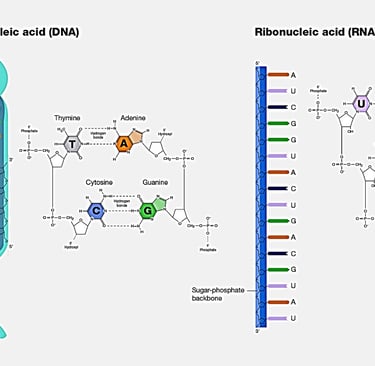
What are Nucleic Acids?
Nucleic acids are large biomolecules that function as the primary information-carrying molecules in all living cells and viruses. They are responsible for storing, expressing, and transmitting genetic information, which directs the synthesis of proteins and determines inherited traits.
Nucleic acids are polymers (long chains) made of repeating subunits called nucleotides. Each individual nucleotide is composed of three essential parts:
A five-carbon sugar: Either ribose (in RNA) or deoxyribose (in DNA).
A phosphate group: Attached to the sugar, this group gives nucleic acids their acidic properties.
A nitrogenous base: There are five primary bases, categorized into:
Purines: Adenine (A) and Guanine (G).
Pyrimidines: Cytosine (C), Thymine (T), and Uracil (U).
There are Two Main Types: DNA (Deoxyribonucleic Acid) and RNA (Ribonucleic Acid). They function as the permanent storage of genetic code, translating DNA into proteins.
Genetic Blueprint: DNA acts as the master blueprint for life, passed from parents to offspring during reproduction.
Protein Synthesis: RNA molecules (like mRNA, tRNA, and rRNA) work together to "read" the DNA code and assemble proteins.
Energy Transfer: Some nucleotides, such as Adenosine Triphosphate (ATP), serve as the primary energy currency for cellular reactions.
Regulation: Smaller RNA molecules, such as microRNA, help control gene expression by turning genes "on" or "off".
https://www2.chemistry.msu.edu/faculty/reusch/virttxtjml/nucacids.htm

Sample records for agrobacterium-mediated transient expression [in plants]
https://www.science.gov/topicpages/a/agrobacterium-mediated+transient+expression#
How do the bad proteins/synthetic particles get into the body?
The animal is the vector.
The arthropods are genetically engineered to carry bacterial, viral and metallic particles bound to self-assembling synthetic particles that begin assembling when deposited in human skin. When these materials are deposited by the vector (insect or worrm), the body reacts with a cytokine reaction that tells you that the genetic transformation is occurring. A cytokine reaction may display with fever, sweating, weakness and other symptoms. Some people have died immediately upon infection due to reactions to the injected genetically altered materials.
https://abcnews.go.com/Primetime/story?id=2283503&page=1
Arthropods deliver proteins through several specialized biological systems, primarily utilizing an open circulatory system to transport them internally and salivary/venom systems to deliver them externally. Deposition of eggs in the skin make a perfect delivery system of genetic materials. Complete genetic transformation creates skin containing living animals and their eggs.
Internal Protein Delivery: Arthropods use a body fluid called hemolymph—a mixture of blood and interstitial fluid—to transport proteins to various organs and tissues.
Circulatory Mechanism: A dorsal, tubular heart pumps hemolymph into a body cavity called the hemocoel. Because the system is open, the hemolymph directly bathes the internal organs, allowing proteins to diffuse into tissues.
Carrier Proteins: Specific proteins in the hemolymph serve as "delivery vehicles." For example, lipoproteins transport lipids and cholesterol, while vitellogenin (a yolk precursor protein) is synthesized in the fat body and delivered via hemolymph to the oocytes for egg development.
Respiratory Proteins: In many crustaceans and some insects, the copper-based protein hemocyanin is delivered through the hemolymph to transport oxygen. https://pubmed.ncbi.nlm.nih.gov/4370522/
External Protein Delivery. Arthropods deliver functional proteins externally for feeding or defense:
Salivary Delivery: Blood-feeding arthropods (like mosquitoes and ticks) inject a "cocktail" of salivary proteins into their hosts. These proteins include anti-hemostatic agents to prevent blood clotting and anti-inflammatory molecules to mask the bite.
Venom Delivery: Spiders and scorpions use modified mouthparts (chelicerae) or stingers to inject venom—a complex mixture of toxic proteins and peptides—into prey to paralyze or pre-digest them.
Extra-oral Digestion: Some arthropods, such as spiders, expel digestive enzymes (proteins) onto their prey to liquefy tissues before ingestion. https://pmc.ncbi.nlm.nih.gov/articles/PMC2889010/
Growth and Structural Delivery
Exoskeleton Formation: During molting, arthropods secrete a new cuticle composed of chitin and proteins. These structural proteins are delivered by the underlying epidermal cells to form the hard outer shell. https://www.britannica.com/animal/arthropod/Form-and-function
If you have a cytokine reaction, you know the genetic transformation is taking place.
Cytokine Release Syndrome (CRS) is a systemic inflammatory response, often from immunotherapy, featuring rapid onset of fever, hypotension (low blood pressure), tachycardia (fast heart rate), and fatigue. Symptoms range from mild, flu-like symptoms to severe, life-threatening complications, including respiratory distress (ARDS), multi-organ failure, and neurological issues.
Common Symptoms of Cytokine Reaction
General/Constitutional: High fever, chills, severe fatigue, weakness, and loss of appetite.
Cardiovascular: Hypotension (low blood pressure), tachycardia (rapid heartbeat), and arrhythmias.
Respiratory: Shortness of breath, cough, and decreased oxygen levels.
Neurological: Headache, confusion, dizziness, tremors, seizures, and hallucinations.
Gastrointestinal: Nausea, vomiting, and diarrhea.
Skin/Musculoskeletal: Rash, joint pain (arthralgia), and muscle pain (myalgia).
Severe/Life-Threatening Symptoms
Organ Failure: Kidney, liver, or heart failure.
Capillary Leak Syndrome: Fluid buildup in tissues.
Severe Respiratory Distress: Acute respiratory distress syndrome (ARDS).
Symptoms usually appear rapidly, especially during the first infusion of immunotherapy. Caused by a massive release of cytokines from immune cells. Usually involves supportive care and immunosuppressants (e.g., steroids) to control the inflammation. https://my.clevelandclinic.org/health/diseases/22700-cytokine-release-syndrome
A gene gun or a biolistic particle delivery system, originally designed for plant transformation, is a device for injecting cells with genetic information. The payload is an elemental particle of a heavy metal coated with plasmid DNA. This technique is often simply referred to as bioballistics or biolistics. This device is able to transform almost any type of cell, including plants, and is not limited to genetic material of the nucleus: it can also transform organelles, including plastids.


Biolistic DNA Delivery [gene gun can deliver disease right to the cells-giving a person cancer overnight]
Methods and Protocols
Gene transfer into eukaryotic [multicellular animals] cells has been established as an important tool in basic research for the study of gene regulation, the analysis of protein expression and function within somatic cells/tissues, as well as for the production of transgenic organisms. Furthermore, it allows a variety of valuable applications in the clinics such as the implementation of gene therapy strategies for therapeutic purposes. Since the term transfection (“infection by transformation”) has been introduced to describe the procedure of artificial introduction of foreign nucleic acids (DNA or RNA) into the nucleus of eukaryotic cells using nonviral methods, considerable progress has been made in the development of effective gene transfer technologies, which are broadly classifi ed into chemical-based and physical-based transfection methods.
Nucleic acids are precipitated on biologically inert high-density microparticles (usually gold or tungsten) and delivered directly through cell walls and/or membranes into the nucleus of target cells by high-velocity acceleration using a ballistic device such as the gene gun.
Originally invented by Sanford and Klein in the late 1980s and designed to introduce foreign DNA into plant cells (as it accomplishes gene transfer across cell walls), the gene gun technique has continuously advanced to allow for the transfection of animal cells and organs.
It is now appreciated as a technology that is potentially applicable in vitro to a wide range of cell and tissue types as well as in vivo to various organisms, including plants, nematodes, mammals, and ultimately even to humans.
We made allowance for the multifaceted applications of biolistic transfection in the conceptual design of this volume of the Methods in Molecular Biology series. This comprehensive collection of detailed protocols is intended to provide the definitive practical guide for the novice as well as the advanced user in the field of gene transfer on how to introduce nucleic acids into eukaryotic cells using the biolistic technique. Therefore, the volume is divided into a total of six parts, each highlighting a separate field of research activity.
Parts I to IV cover biolistic gene transfer into plants (Chaps. 1, 2, 3, 4, 5, and 6), nematodes (Chaps. 7, 8, and 9) or mammalian cells [some Morgellons victims have as many as 10 different kinds of worms living in their skin] in vitro (Chaps. 10, 11, 12, and 13) and in vivo (Chaps. 14, 15, 16, 17, and 18). Part V, in which the use of gene gun-mediated DNA vaccination in various experimental animal models of human diseases is introduced (Chaps. 19, 20, 21, 22, 23, 24, 25, and 26), is supplemented by a non-protocol chapter that provides an overview of the basic safety issues which have been raised with respect to biolistic DNA vaccines (Chap. 27). Part VI, which focuses on the description of biolistic delivery of molecules other than nucleic acids (Chaps. 28 and 29), completes the volume.
https://www.researchgate.net/publication/282493998_Methods_in_Molecular_Biology_-_Biolistic_DNA_Delivery
Could a gene gun be used to give someone a disease like cancer if used illegally?
Yes, a gene gun (biolistic delivery system) could theoretically be used to introduce genes that cause cancer if improperly or with malevolent intent. https://www.mayoclinic.org/tests-procedures/gene-therapy/about/pac-20384619
The device works by firing microscopic gold or tungsten particles coated with DNA into target cells. This mechanism is essentially "brute force" and can deliver any genetic material—including harmful ones—into a cell's genome.https://www.nature.com/articles/srep02499
How It Could Cause Cancer
Delivery of Oncogenes: A gene gun can deliver oncogenes (genes that have the potential to cause cancer) directly into healthy tissue. If these genes integrate into the host cell's DNA, they can trigger uncontrolled cell growth.
Insertional Mutagenesis: Even if the delivered genes are not harmful themselves, the act of randomly inserting new DNA into a cell's genome can disrupt existing genes. If a gene that suppresses tumors (like p53) is broken during this process, the cell may become cancerous.
Off-Target Effects: Modern gene-editing tools like CRISPR, which can be delivered via a gene gun, can make unintended cuts in DNA. These "off-target" edits can cause large scale genetic rearrangements that lead to cancer.
In legitimate medicine, the gene gun is actually being developed as a treatment for cancer, used to blast immune-stimulating genes into tumors to help the body fight them. However, because the technology is versatile and physically robust, it carries a "dual-use" risk: the same mechanism used to heal could be used to harm if the cargo is replaced with cancer-promoting genetic sequences.
https://www.cancer.gov/news-events/cancer-currents-blog/2020/crispr-cancer-research-treatment
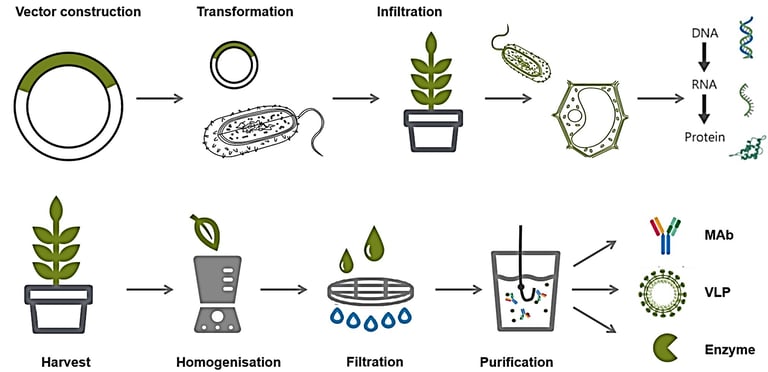
The Agrobacterium Tumefaciens-Mediated Transient Expression System
Creative BioMart has developed an Agrobacterium tumefaciens-mediated gene delivery method to facilitate transient recombinant protein expression. The introduction of DNA fragments through Agrobacterium tumefaciens-mediated T-DNA transfer is a powerful research tool. Most cells within infiltrated areas will receive the T-DNAs. It has the possibility of introducing several different T-DNAs into each cell. So far, we have successfully produced a variety of proteins including but not limited to: allergens, active enzymes, monoclonal antibodies, virus-like particles, human cytokines for gene therapy.
Technology Description
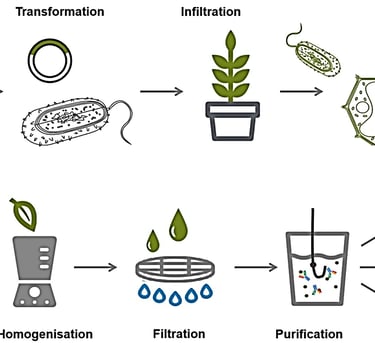
We first start with the vector containing the DNA sequence of the target protein, and then simply put it into a bacterium called Agrobacterium tumefaciens. We use electricity to help push the vector into the bacteria through a process called transformation, and once inside, we use a technology called osmosis to put the bacteria containing the DNA vector in the leaves of plants. We are using a class of carefully studied plants that grow rapidly and are easy to penetrate. Once in the plant, bacteria can transfer the DNA encoding protein to the plant cells, then "transcribe" it into RNA and "translate" it into protein. The process lasts for a few days, and leaves are harvested and proteins are extracted after three to six days.
[See illustration just below.]
https://heterologous.creativebiomart.net/the-agrobacterium-tumefaciens-mediated-transient-expression-system.html

Characterization and evolution of dermal filaments from patients with Morgellons disease
Marianne J Middelveen, Peter J Mayne, Douglas G Kahn & Raphael B Stricker
Pages 1-21 | Published online: 08 Jan 2013
Abstract
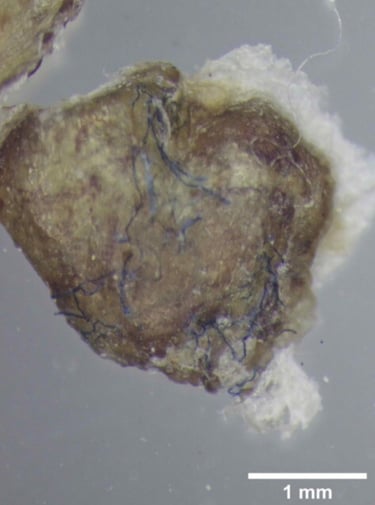
Morgellons disease is an emerging skin disease characterized by formation of dermal filaments associated with multisystemic symptoms and tick-borne illness. Some clinicians hypothesize that these often colorful dermal filaments are textile fibers, either self-implanted by patients or accidentally adhering to lesions, and conclude that patients with this disease have delusions of infestation. We present histological observations and electron microscopic imaging from representative Morgellons disease samples revealing that dermal filaments in these cases are keratin and collagen in composition and result from proliferation and activation of keratinocytes and fibroblasts in the epidermis. Spirochetes were detected in the dermatological specimens from our study patients, providing evidence that Morgellons disease is associated with an infectious process. https://pubmed.ncbi.nlm.nih.gov/23326202/

Morgellon’s Disease and Neurocutaneous Syndrome (NCS): Cases and Recovery
(NCS): Cases and RecoveryAuthor: Omar M. Amin; August 2021
Parasitology Center Inc. (PCI), 11445 E. Via Linda, # 2-419, Scottsdale, Arizona 85259, USA.
E-mail: omaramin@aol.com; https://www.researchgate.net/profile/Omar-Amin-8/publication/354508326_Morgellon's_Disease_and_Neurocutaneous_Syndrome_NCS_Cases_and_Recovery/links/61dc5dfc5c0a257a6fdbfa0e/Morgellons-Disease-and-Neurocutaneous-Syndrome-NCS-Cases-and-Reco
We have concluded that the symptoms of crawling and pin-pricking confused with “delusionary parasitosis” are caused by toxicity from exposure to chemicals incompatible with host immune system, e.g., dental materials, that alter the propagation of normal nerve impulses. We also conclude that external parasites/organisms including springtails (Collembola), other arthropods, bacteria, and fungi represent only opportunistic infections of skin sites compromised by the toxicity disorder involving the elimination of toxins through the skin. We have described a new pathological disorder, Neuro-cutaneous Syndrome (NCS) to which justified “delusional parasitosis” and Morgellons disease cases could be assigned. We have developed a protocol for the resolution of the symptoms of NCS cases. When followed to the letter, all symptoms of NCS, conventionally and conveniently called delusional parasitosis, are invariably and irreversibly resolved. [The conclusion in red is absolutely false because the presence of all these things, springtails, collembola, armadeilledae, midges, bacteria and fungi are almost always present. These things weren't studied in this study so they can't be said to be true. They weren't part of the study. Its like 10 guys looking at the same elephant from different perspectives. This doctor has to be commended for his time and effort to understand this part of Morgellons. He cared enough to cure some victims, but he hasn't studied the invertebrate part of Morgellons and calls it "opportunistic infections" which is a conclusion based on nothing he's studied. Its much more complicated. He's wrong about that.]
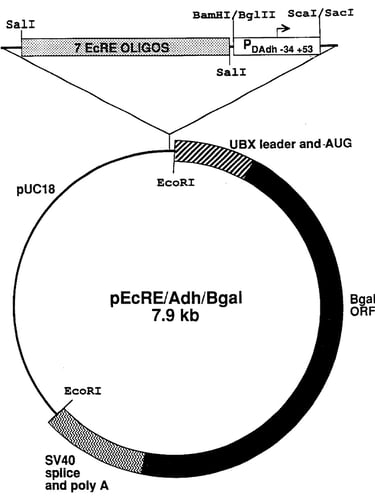
PATENT
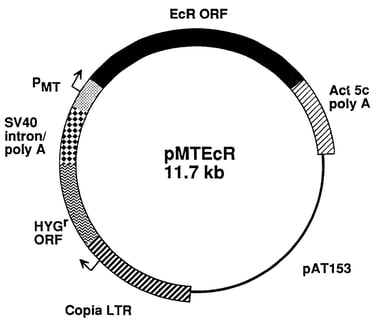
POLYNUCLEOTIDE ENCODING INSECT ECDYSONE RECEPTOR
(75) Inventors: David S. Hogness, Stanford; Michael R. Koelle, Menlo Park; William A. Seagraves, San Diego, all of CA (US)
US 6,245,531 B1, Jun. 12, 2001
ABSTRACT Polynucleotide Sequences which encode ecdysone receptors have been isolated and expressed in host cells.
[Without ecdysone receptors being transfected into victims of invertebrate infections, Morgellons wouldn't work. This had to be developed in order to control the weapon.]


A conversation with Mariana Wolfner, newly inducted member of the National Academy of Sciences
Abstract
Molecular Reproduction and Development is delighted to announce that editorial board member Mariana F. Wolfner has been elected to the National Academy of Sciences.
Here, Dr Wolfner is interviewed by two of her former postdocs. She discusses her
path to studying reproduction and her career as a researcher and mentor.
https://onlinelibrary.wiley.com/doi/epdf/10.1002/mrd.23298
Is mRNA the Origin of Morgellon’s Disease?
An exploration of the striking correlations between the development of mRNA and the first cases of Morgellon's
Gecko Pico, Jun 11
Introduction
For nearly two decades, the Morgellon’s phenomenon has defied conventional medical explanation. Sufferers report colored fibers and filamentous strands emerging from skin lesions that do not heal. Mainstream dermatology classifies it as a form of delusional parasitosis — a psychiatric condition. But a growing body of evidence, combined with the known capabilities of synthetic biology, points toward a different explanation: that Morgellon’s may represent the deliberate expression of engineered proteins, programmed into the body’s own cells using messenger RNA (mRNA) technology.
This is not science fiction. It is a logical extension of a technology that has been in development for over sixty years and has been operational at scale since 2020.
How mRNA Technology Works
To understand the hypothesis, one must first understand the theoretical mechanism of synthetic mRNA.
Messenger RNA is allegedly a single-stranded molecule that carries genetic instructions from DNA in the cell nucleus to ribosomes in the cytoplasm — the protein factories of the cell. The ribosome reads the mRNA sequence and assembles the corresponding amino acids into a protein. This is the central dogma of molecular biology: DNA → RNA → Protein.
Apparently synthetic mRNA works by bypassing the "DNA" step entirely. A laboratory-designed sequence is encapsulated in a delivery vehicle — typically a lipid nanoparticle — and introduced into the body. Once inside a cell, the synthetic mRNA hijacks the ribosome and instructs it to produce the specific protein encoded by that sequence. The cell's own machinery, its own energy, and its own resources are used to manufacture the foreign protein.
The key features of this technology are:
It uses the body’s own resources. The cell provides the energy (ATP), the raw materials (amino acids), and the machinery (ribosomes). The synthetic mRNA is merely the blueprint.
It can produce any protein. The sequence can be designed to encode any protein — structural proteins like keratin or collagen, signaling proteins, enzymes, or entirely novel sequences not found in nature.
It is transient but persistent. mRNA degrades naturally within days to weeks, but if delivery is repeated or if the construct is designed to self-amplify (as in self-amplifying RNA, or saRNA), production can continue indefinitely.
It requires a delivery vehicle. Bare mRNA is rapidly degraded by enzymes in the blood. Lipid nanoparticles, viral vectors, or other carriers are needed to protect the mRNA and facilitate entry into cells.
IN SIMPLE TERMS
mRNA is capable of causing a person’s cells, in or on the body, to produce proteins such as fibers found on Morgellon’s sufferers skin! This is the production of fibers, on or under the skin, using the bodies own resources!
SIDE NOTE:
Some suggest that the mechanism for instructing the cell is not genetic in nature at all and that cell expression is controlled by voltage gradients....
In this case the mRNA could potentially allow remotely programmable cells via EMF. Just changing the pattern of modulation could change the operation of the cell and what proteins it produces!
Timeline: A Single Chronology
When the history of mRNA technology is laid beside the emergence of Morgellons, the temporal overlap is not just striking — it is inseparable. The very period when the immune rejection problem was being solved is the same period when the first cases of Morgellon’s were being reported.
For years, the central obstacle was not just that naked mRNA degraded too quickly in the body, but that the immune system recognized it as a viral invader — triggering a destructive inflammatory response before any protein could be produced, a problem that was only solved by wrapping the mRNA in lipid nanoparticles and chemically modifying its nucleosides to evade immune detection.
mRNA & Morgellon's Timeline
The immune rejection problem in humans was identified in by Karikó and Weissman in 2000.
The first reported Morgellons case was the 2-year-old son of Mary Leitao, who in 2001 began developing mysterious lesions on his lips and skin, with strange colored fibers emerging from the wounds. Over the following years, Mary — a trained medical lab technician with an acedemic background in biology — took her son to numerous dermatologists and infectious disease specialists, who offered no answers. Dismissed and desperate, she founded the Morgellons Research Foundation in 2004 to fund independent research and connect the growing number of families reporting identical symptoms.
Here is where the correlation demands closer attention. Mary Leitao and her family lived in Pennsylvania — the same state where Katalin Karikó and Drew Weissman were conducting their mRNA research at the University of Pennsylvania in Philadelphia. While it is not publicly confirmed whether Mary attended or worked at UPenn, the convergence of location (Pennsylvania), field of study (biology / lab science), and timeline (2000–2004) is striking. A person with biological laboratory training, living in the same region where the mRNA immune rejection problem was being actively investigated, became the first documented parent of a Morgellons child — just as the technology was moving from the lab into human applications.
By 2005, Karikó and Weissman had solved the immune rejection problem by wrapping the mRNA in lipid nanoparticles and chemically modifying its nucleosides to evade immune detection. Their breakthrough would go on to earn them the 2023 Nobel Prize in Physiology or Medicine — the highest honor in science — awarded for a technology that, within the same timeframe and in the same geographic region, may have been tested on unwitting human subjects, including a two-year-old child.
I imagine to solve this kind of problem you might have trouble finding willing human participants to experiment on. Given the capabilities of this technology and the timeline, I have to ask the question...
Did they test this technology on an innocent 2 year old child?
I am in the process of attempting to contact Mary for further details about her living/working/study situation prior to her son’s condition developing. I am hoping to draw a futher correlation.
Potential Delivery Vectors
If the hypothesis is correct — that synthetic mRNA constructs are instructing cells to produce the fibers observed in Morgellons — then the question of delivery becomes central. How could such constructs enter the body?
Aerosol Inhalation (Chemtrails)
The practice of aerial spraying — commonly referred to as “chemtrails” — has been documented for decades. Barium salts, aluminum oxide, and other particulates have been found in soil and water samples following these operations. If synthetic mRNA or DNA constructs were aerosolized and dispersed, they could be inhaled directly into the lungs, where they would enter the bloodstream and be distributed throughout the body. The lipid nanoparticles used in mRNA vaccines are designed to be stable in aerosol form.
Injection (Vaccines and Anesthetics)
The most direct route of delivery is injection. If mRNA constructs were incorporated into vaccines, anesthetic preparations, or other injectable medications, they would bypass the body’s natural barriers entirely. The COVID-19 vaccination campaign demonstrated that mRNA injection at population scale is feasible and logistically straightforward.
Ingestion (Food and Medications)
While mRNA is typically degraded in the digestive tract, encapsulation in lipid nanoparticles or other protective coatings could allow oral delivery. Research into oral mRNA vaccines is ongoing (He et al., Journal of Controlled Release, 2022).
Environmental Exposure
Water supplies, food processing, or even airborne nanoparticles could serve as vectors. The CDC’s 2012 study noted that fibers were “likely of environmental origin” — a finding consistent with external delivery, though the agency did not test for engineered nanomaterials.
The Players, Funding, and Collaboration
The development of mRNA technology has been funded by a complex network of public and private entities, many of which have overlapping interests in both medicine and defense. The collaboration between these players and those involved in the rollout of the vaccines is extensive.
Funding into mRNA Development as Deployment
Public Funding:
The National Institutes of Health (NIH) has provided billions in grants for mRNA research
The Defense Advanced Research Projects Agency (DARPA) has funded synthetic biology and mRNA platform technologies under programs like ADvanced Nucleic Acid Therapeutics (ADNA) and Pandemic Prevention Platform (P3) . DARPA’s interest in rapid-response vaccines overlaps with its broader interest in biological and neuroweapons.
The Biomedical Advanced Research and Development Authority (BARDA) provided over $1 billion to Moderna for COVID-19 vaccine development.
Private Companies:
CureVac (founded 2000) — German mRNA company, received DARPA and EU funding.
BioNTech (founded 2008) — Partnered with Pfizer. Received German government funding.
Moderna (founded 2010) — Received over $2.5 billion in U.S. government funding. Backed by venture capital firms including Flagship Pioneering.
Defense and Intelligence Connections:
DARPA’s interest in mRNA extends beyond vaccines to biological warfare defense and potentially offensive applications. The agency’s ADNA program explicitly aims to “develop platform technologies for the rapid production of nucleic acid-based therapeutics” — a capability that could be used for both protection and harm.
The U.S. Army Medical Research Institute of Infectious Diseases (USAMRIID) has conducted research on mRNA-based countermeasures.
The National Security Council and intelligence community have been involved in pandemic preparedness planning that includes mRNA platforms.
The convergence of pharmaceutical, defense, and intelligence interests in mRNA technology creates a landscape where the same platform can be used for both therapeutic and potentially harmful purposes.
So it’s hard to not ask the question why the same defense entity (DARPA) was involved in both the mRNA vaccine technology and what looks like creating the reason to take the vaccine (i.e. the development of the apparent virus!!
The Piezoelectric Connection: Why the Fibers Cause Sensations
One of the most compelling pieces of evidence supporting the engineered nature of Morgellons fibers is their piezoelectric properties. Independent researchers and sufferers who have analyzed the fibers under microscopy and spectroscopy consistently report that the filaments exhibit piezoelectric behavior — meaning they generate an electrical charge when mechanically stressed, and conversely, they vibrate or deform when exposed to an external electromagnetic field.
The formula is straightforward:
Piezoelectric elements + EMF = heating, vibration, crawling, static feelings, burning, pulsing.
Here is how it works:
Piezoelectric materials — such as certain crystalline structures, synthetic polymers, and engineered nanomaterials like zinc oxide nanowires or polyvinylidene fluoride (PVDF) — convert mechanical stress into electrical charge and vice versa.
When these materials are embedded in or on the skin as fibers, exposure to external electromagnetic fields (EMF) — from cell towers, Wi-Fi routers, satellites, or directed energy weapons — OR Electrical fields from the main power grid for example — causes them to flex and deform which can result in pulsing or vibration at frequencies based on the incoming field.
This vibration generates heat through dielectric loss and friction, potentially producing the burning sensations.
The same vibration can produce crawling sensations as the fibers move against nerve endings in the skin.
Static electricity builds up on the fibers, creating the sensation of static cling or electrical discharge.
The combination of heat and mechanical stimulation can mimic itching, stinging, and pressure — all of which are commonly reported.
In the early 2000’s independent researcher Dr. Hildegarde Staninger identified that the fibers found on Morgellons patients were composed of “nanostructured materials with piezoelectric properties.” This is consistent with the hypothesis that the fibers are not random biological products but engineered constructs designed to interact with the electromagnetic environment.
The implications are profound: have our cells been invaded by mRNA that allows them to be programmed with produce piezoelectric proteins that can be activated through EMF? And does this explain the sensations experienced by Morgellon’s sufferers?
Cell Density Supports the Theory
This is a profound realization as it explains much about how Morgellons suffers experience the sensations they do. The prolific hijacking of the cells to harness their energy and resources to produce piezoelectric proteins can happen both on the skin, under the skin, even inside the organs of the body.
The skin is probably the most profoundly noticed place for these fibers to be activated as it produces much of the sensation felt by victims of what might be one of the worst crimes against humanity this world has seen.
The more cells in an area, them more of these fibers can be produced in that area!
This theory explains why sensations tend to be worse in certain parts of the body... The density of skin cells in various areas explains this phenomenon. Here are some areas and their relative density. From highest to lowest.
Scalp / Face / Behind the ear (postauricular): Highest overall density
Sole of the foot and palms of hands: High diversity despite being hairless; driven by epidermal and subcutaneous layers (thick skin specialization)
Flexural areas (inner elbow, inner knee): Moderate levels; typically higher than nearby outer (extensor) regions
Central trunk (buttocks, abdomen, back) & extensor areas (elbow, knee): Lowest overall density and diversit
This answers many questions such as “Why do my feet always vibrate?”, “Why do I get sensations in my scalp?” and why the crawling feeling rarely occurs on your buttocks!
Comparing a simple swab wipe and microscopy of these areas will confirm this fact. Certain skin-cell dense areas of the body express more fibers due to having more cells (i.e. thicker skin for example).
Can It Be Reversed?
If the mRNA is transient — standard synthetic mRNA degrades within days to weeks. If no further doses are delivered, protein production should cease and affected skin cells will eventually be replaced through natural turnover.
f the construct is self-amplifying (saRNA) — it includes a replicase enzyme that allows the RNA to copy itself, potentially leading to persistent protein production for months or longer (Bloom et al., Nature Communications, 2021).
If the construct integrates into the genome — standard mRNA does not do this, but if a retroviral vector or other integrating system were used, the genetic instruction could become permanent, requiring a fundamentally different approach to reversal.
What Would Be Needed for a True Reversal
RNA interference (RNAi) — Custom siRNAs could silence the specific mRNA. Requires intravenous administration and costs hundreds of thousands per year. Not available for this application.
CRISPR-Cas9 — Could edit or delete an integrated DNA sequence. Remains highly experimental for in vivo use, carries off-target risks, and is limited to a handful of clinical trials.
Antisense oligonucleotides (ASOs) — Can block translation or degrade target mRNA. Existing ASOs cost over $125,000 per year and require medical administration.
Immune modulation — Could theoretically train the immune system to clear affected cells, but these are cancer treatments with significant autoimmune risks.
These are not options. Not for us. Not now.
he people who designed this technology have the tools to reverse it. The people suffering from it do not. Until official recognition and legal accountability arrive, the molecular remedies will remain out of reach.
What IS Actually Available — Mitigation Strategies
Since the true reversal pathways are inaccessible, the practical focus must shift to reducing symptom burden and supporting the body’s natural resilience. These strategies will not remove the fibers or silence the mechanism, but they can significantly reduce the intensity of the experience.
Detoxification and organ support — Supporting the liver, kidneys, and lymphatic system may help the body clear delivery vehicles, degraded mRNA fragments, and cellular debris more efficiently. Practical approaches include:
Liver support — milk thistle (silymarin), N-acetylcysteine (NAC), glutathione precursors
Kidney support — adequate hydration, dandelion root, avoiding nephrotoxins
Lymphatic support — dry brushing, rebounding (mini-trampoline), deep breathing, massage
EMF reduction — Since the piezoelectric fibers cause sensations in response to electromagnetic fields, reducing ambient EMF can directly reduce symptoms. Practical measures include:
Turning off Wi-Fi routers at night or switching to wired connections
Using ferrite chokes on power cords and device cables
Creating a Faraday canopy over sleeping areas using conductive silver/copper mesh fabric
Earthing/grounding — connecting the body to the earth’s natural electrical potential
Reducing smart meter exposure by requesting an analog meter or installing a shielding cover
Distance — doubling distance from an EMF source reduces exposure by a factor of four
Nutritional and cellular support — Antioxidants and compounds that support cellular health may help the body cope with the ongoing stres
High-quality antioxidants — vitamin C, vitamin E, glutathione, lipoic acid
Mitochondrial support — CoQ10, PQQ, magnesium, B vitamins.
Anti-inflammatory compounds — curcumin, omega-3 fatty acids, resveratrol.
Chelation support — if heavy metals or nanoparticles are involved, EDTA Therapy, binders like chlorella or activated charcoal may help (under professional guidance).
Symptom management — Direct relief for the most common experiences:
One of the most effective methods for reducing symptoms is just wiping these foul fibers off the body.. This can be done with your hands or with a wet cloth. If you wake up with screaming tinnitus, notice how quickly it subsides if you wipe over your face, ears and neck!
VIbrating feet and body can be mitigated with lint rollers, using a wet cloth or regular showing.
Sleep disruption — blackout curtains, white noise machines, grounding sheets, consistent sleep schedule.
Pain and burning sensations — regular showers, wet wiping of all the body during the day and night to reduce symptoms, cold compresses, aloe vera gel, magnesium oil sprays, Epsom salt baths.
Gastrointestinal distress — ginger tea, probiotics, digestive enzymes and avoiding trigger foods.
Anxiety and hypervigilance — breathwork, meditation, nature exposure, community connection with others.
The Bottom Line
The theoretical remedies exist, but they are not available to us. That is not a failure of the individual — it is a failure of the system. The path to actual reversal runs through recognition, research, and legal accountability. Until that day comes, our tools are mitigation, documentation, community, and survival.
Conclusion
The hypothesis that Morgellons represents the expression of engineered proteins programmed into the body via mRNA technology is not a fringe fantasy. It is grounded in the known capabilities of a technology that has been in development for over sixty years, proven viable since 2005, and deployed at population scale since 2020. The timeline matches — indeed, the immune rejection problem was being solved in the same years that the first Morgellons cases were being reported, under the association of Anthony Fauci. The mechanism is understood. The delivery vectors exist. The funding and infrastructure are in place. The piezoelectric nature of the fibers explains the sensations that sufferers experience as a predictable physical phenomenon.
What remains is the evidence. If sufferers can document their experiences, preserve samples, and share their testimony, the data may one day confirm what the timeline already suggests: that the fibers are not a delusion, but a product — a programmed expression of a technology turned against the very bodies it was supposed to protect.
References:
Wolff, J. A., et al. (1990). Direct gene transfer into mouse muscle in vivo. Science, 247(4949), 1465–1468. https://doi.org/10.1126/science.1690918
Karikó, K., et al. (2005). Suppression of RNA recognition by Toll-like receptors: the impact of nucleoside modification and the evolutionary origin of RNA. Immunity, 23(2), 165–175. https://doi.org/10.1016/j.immuni.2005.06.008
Pearson, M. L., et al. (2012). Clinical, epidemiologic, histopathologic and molecular features of an unexplained dermopathy. PLoS ONE, 7(1), e29908. https://doi.org/10.1371/journal.pone.0029908
Bloom, K., et al. (2021). Self-amplifying RNA vaccines for infectious diseases. Nature Communications, 12, 1810. https://doi.org/10.1038/s41467-021-22089-6
He, J., et al. (2022). Oral delivery of mRNA vaccines: challenges and opportunities. Journal of Controlled Release, 345, 802–816. https://doi.org/10.1016/j.jconrel.2022.03.046
DARPA ADNA Program: https://www.darpa.mil/program/advanced-nucleic-acid-therapeutics
Newsweek. (2021). Wuhan, US Scientists Planned to Make Coronaviruses, Leaked Documents Show. https://www.newsweek.com/wuhan-us-scientists-make-coronaviruses-ecohealth-wiv-drastic-documents-1636532
DRASTIC. (2021). DEFUSE Proposal — Main Document. https://drasticresearch.org/wp-content/uploads/2021/09/main-document-preempt-volume-1-no-ess-hr00118s0017-ecohealth-alliance.pdf
Staninger, H. (2006–2007). Private research on Morgellons fibers and nanotechnology. Referenced in TI community documentation.
Middleton, J. (2020). The History of mRNA Applications. News-Medical.net. https://www.news-medical.net/life-sciences/The-History-of-mRNA-Applications.aspx
Academy of Achievement — Katalin Karikó biography. https://achievement.org/achiever/katalin-kariko/
Penn Today — Katalin Karikó profile. https://penntoday.upenn.edu/news/katalin-kariko-drew-weissman-mrna-vaccine-research
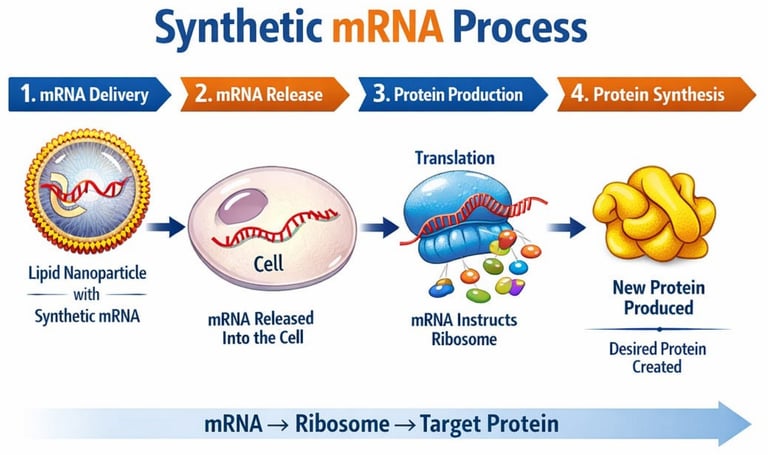
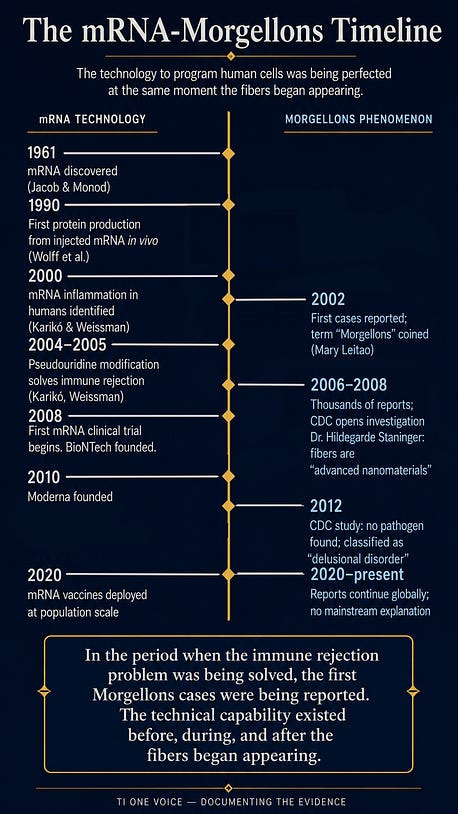
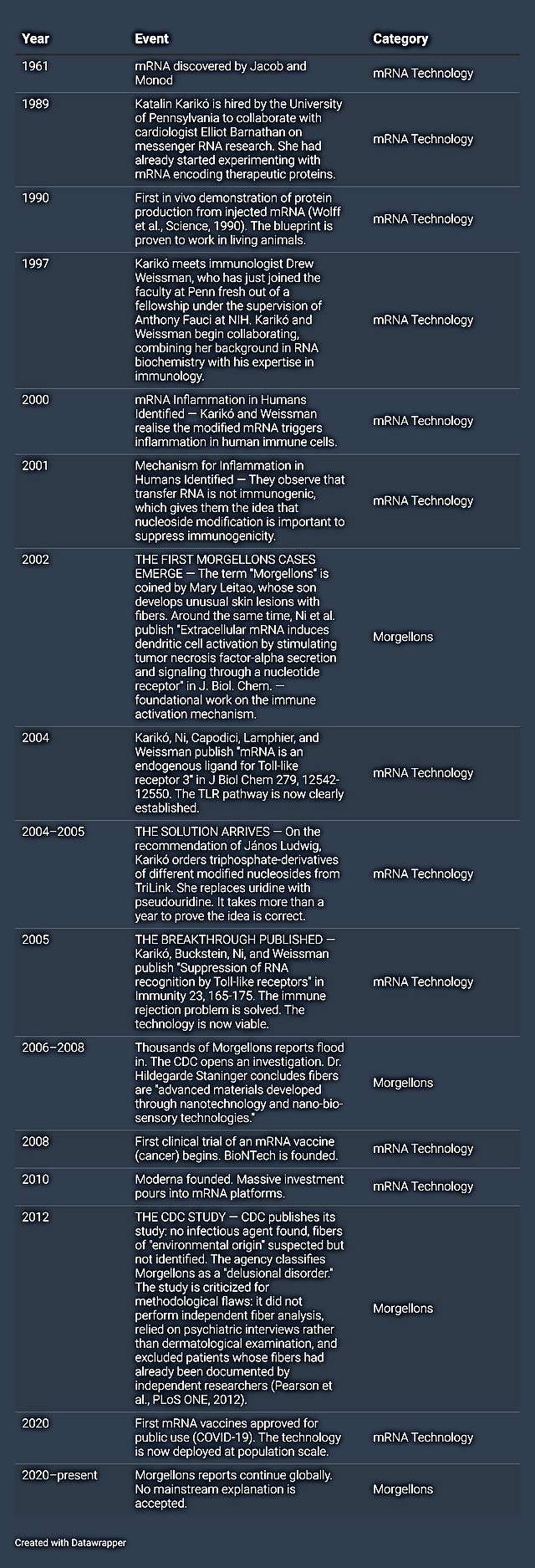
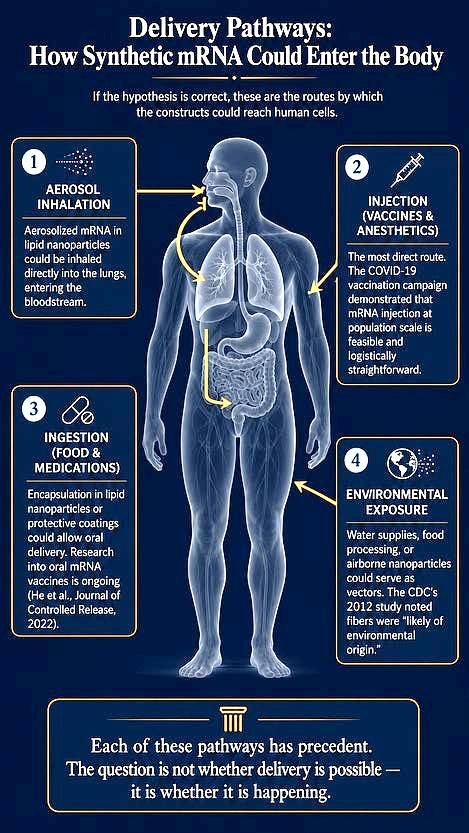


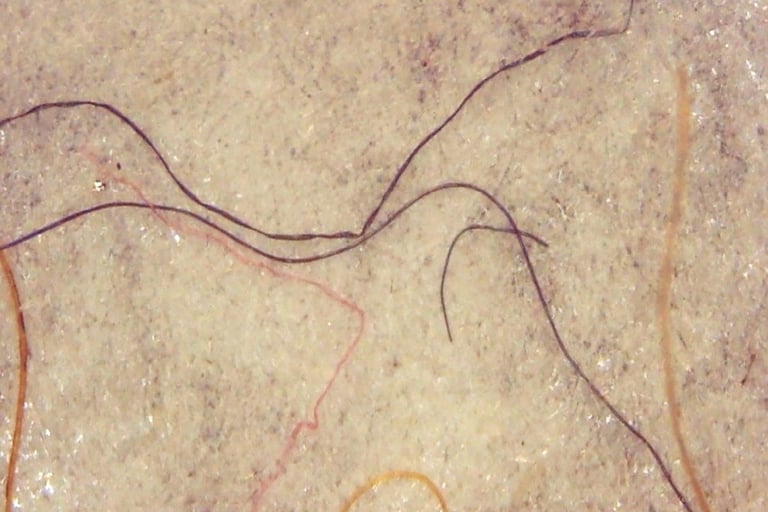
Join us in advocating against
the misuse of technology.
Email: TargetedHumans@proton.me
© 2025. All rights reserved.


Targeted Humans Inc.