There are no Conspiracy theories, there are only truth and lies. - Skizit Powers
TORTURE
Torture of Richard Lighthouse
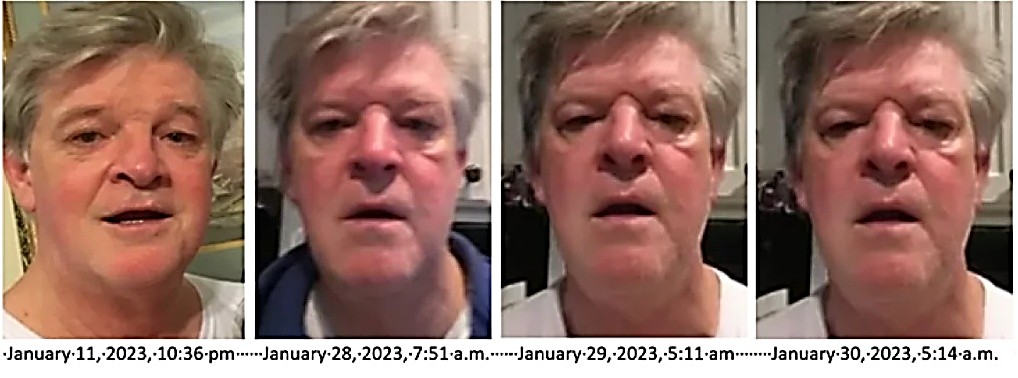
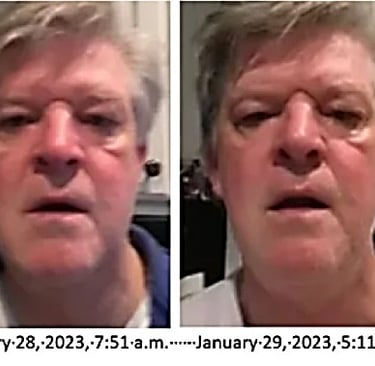
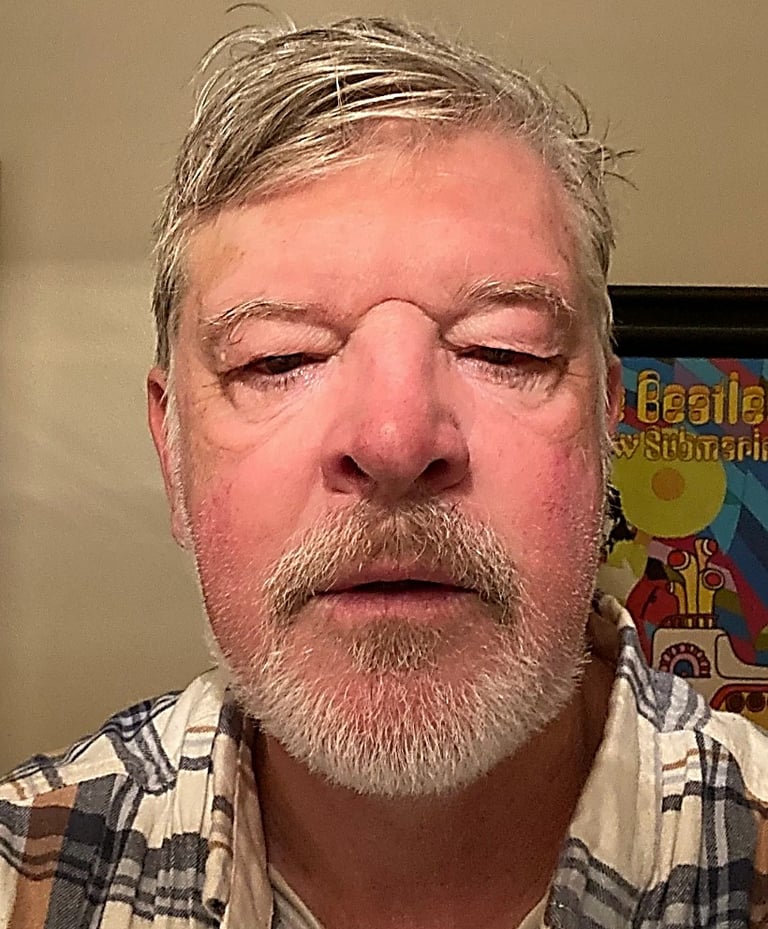
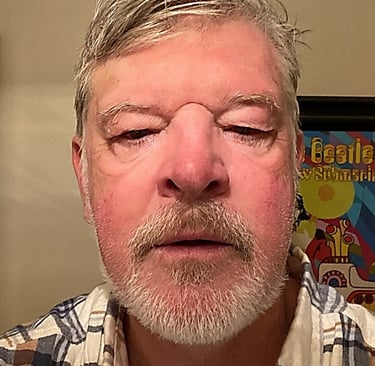
The government criminals have increased the microwave attacks on Richard Lighthouse. His targeting has increased.
It results in face swelling, severe headaches, nausea, nosebleeds, brain fog, short-term memory loss, balance issues, and difficulty walking.
Lighthouse calls it the “punching bag” attacks. Lasts for several hours at night with little sleep.
Yes - he is using shielding.
The swelling subsides after about 6 - 8 hours.
If you get the punching bag attacks, he recommends aspirin and whole milk, plain yogurt. It will settle your stomach and the calcium will help with calcium-depletion in the brain. Anti-inflammatories like turmeric and ginger also help.
Received 1-24-2026
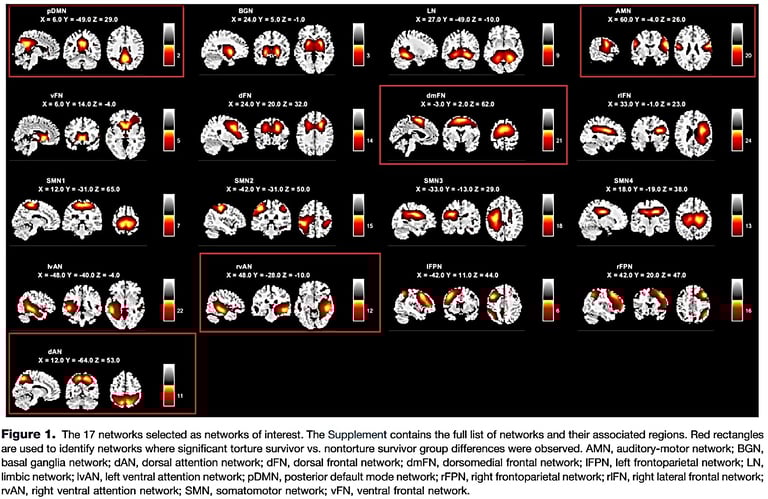
Torture Exposure Modulates Cognitive Control and Attention Neural Network Connectivity During a Go/NoGo Task
Abstract
Background
Torture trauma is characterized by intentional uncontrollable acts,
but the long-term effects of torture exposure on cognitive control
brain mechanisms are unknown.
Methods
A final sample of 33 torture survivors (TSs) and 44 non-TSs, all with
a refugee background, completed a Go/NoGo response inhibition task
during functional magnetic resonance imaging scanning. Data-driven
independent component analysis identified active networks across the
task and on Go, NoGo, and error of commission trials. Groups were
compared on within-/between-network connectivity while controlling
for demographic and psychological symptom covariates. Secondary analyses investigated whether network connectivity moderated the associations between torture exposure and severity on fear (e.g., re-experiencing) and dysphoria (e.g., anhedonia) posttraumatic stress disorder symptoms.
Results
The TS group exhibited decreased connectivity (compared with the non-TS control group) within the posterior default mode network (specifically the left precuneus) and auditory-motor network (specifically the right superior temporal gyrus) and reduced connectivity between the dorsomedial frontal network and dorsal attention network across the Go/NoGo task. The TS group also showed more negative ventral attention network connectivity during NoGo (i.e., inhibition) trials. No behavioral effects were observed. Secondary analyses revealed that the association between torture exposure and elevated posttraumatic stress dysphoria (not fear) symptoms was moderated by reduced connectivity in the right superior temporal gyrus and between the dorsomedial frontal network and the dorsal attention network.
Conclusions
Response inhibition, attention, and motor networks appear to be less connected in TSs, which may be specifically linked to a posttraumatic stress dysphoria symptom profile. The findings suggest that targeting cognitive control processes may hold promise for alleviating posttraumatic symptoms among survivors of torture.https://www.sciencedirect.com/science/article/pii/S2451902224002143#appsec1
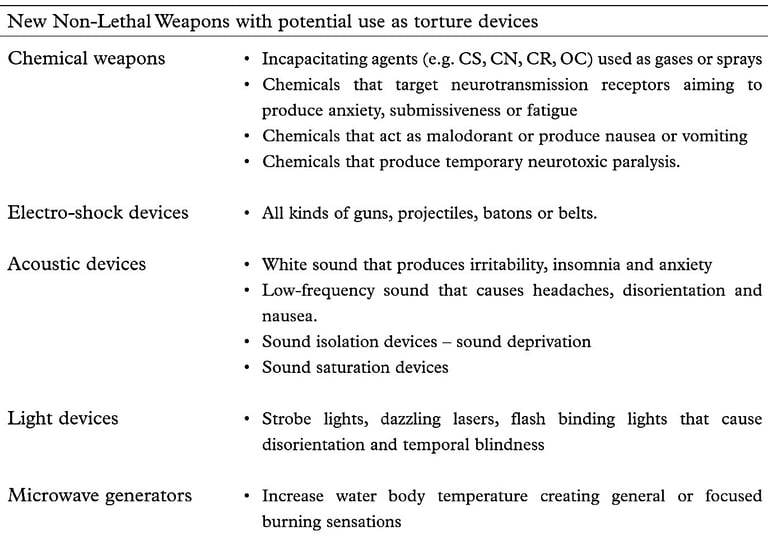
Electromagnetic harassment with torturous patterns (electromagnetic torture, cybernetic torture or cybertorture)
https://www.ohchr.org/sites/default/files/Documents/Issues/Torture/Call/Individuals/ElectromagneticTorture.pdf
The future is here: Mind control and torture in the digital era
Torture-32-12_2022-pg280-290-3
Letter to Nils Melcher regarding Microwave Torture and Remote Neural Monitoring
https://www.ohchr.org/sites/default/files/Documents/Issues/Torture/Call/Individuals/Mindcontroltechnology.pdf
THE MEDICAL PROFESSION AND THE EFFECTS OF WEAPONS - FEBRUARY 1996 By David Guyatt
http://www.deepblacklies.co.uk/some_aspects_of_a-pem_weapons.htm
Join us in advocating against
the misuse of technology.
Email: TargetedHumans@proton.me
© 2025. All rights reserved.
Targeted Humans Inc.